
Why greater housing choice: the demand for larger, long-term urban housing.
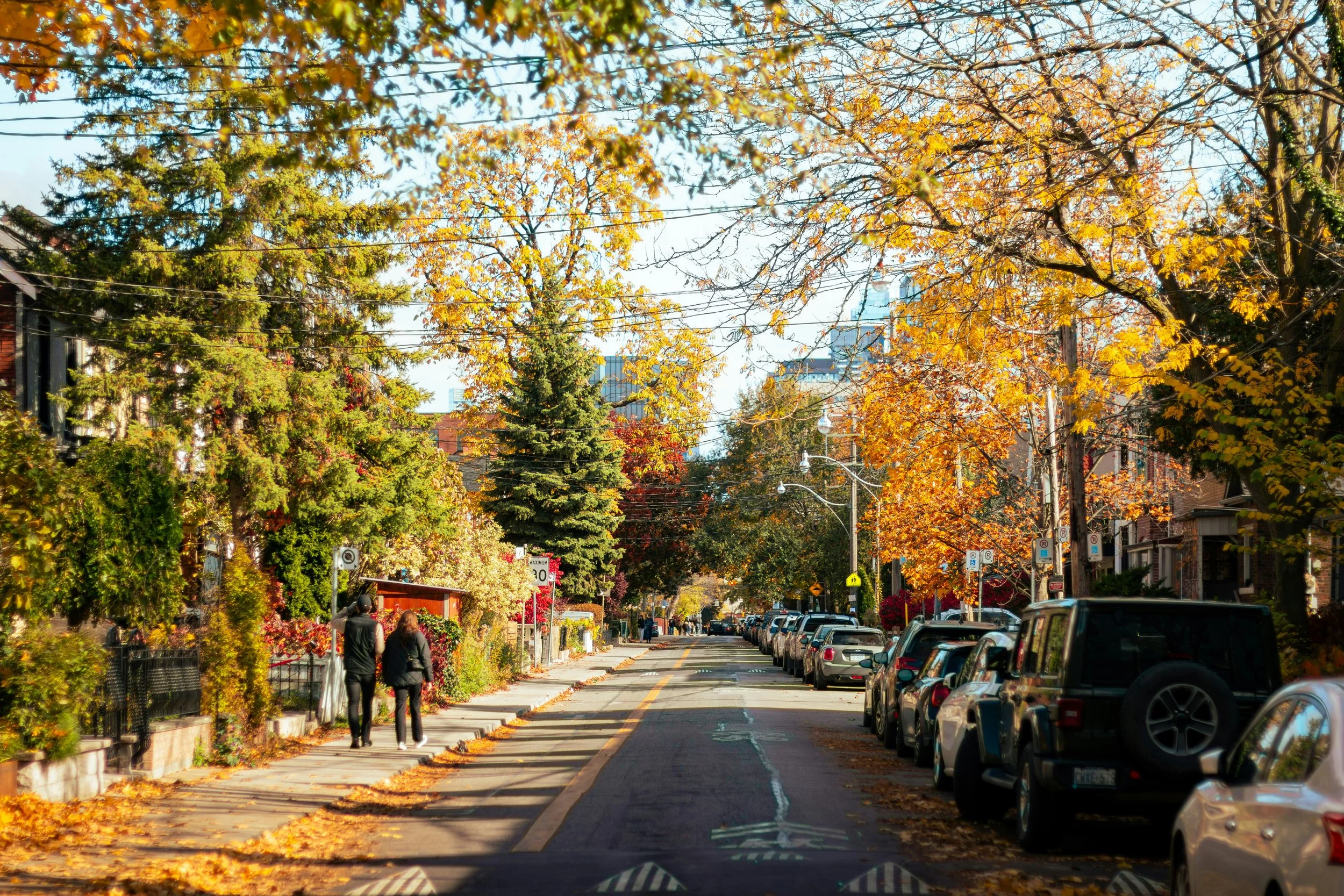
Detached homes are financially out of reach for many residents.
The cost of homeownership has risen significantly in recent years, placing traditional low-rise housing beyond the reach of many Toronto households. Between 2019 and 2022, average home prices increased by 29% to approximately $1.14 million, creating a growing need for an alternative that delivers space at a more attainable price point.
Toronto homes are getting smaller.
As housing affordability challenges persist, living spaces continue to shrink. The City of Toronto has identified a trend toward smaller homes across the city, limiting options for residents seeking functional space to work, grow and build a life.
Families are leaving Toronto due to housing constraints.
Toronto's changing demographics suggest that many households are looking elsewhere to find the space they need. The City has reported a decline in the number of children living in Toronto and shrinking household sizes, indicating that families may be leaving the city in search of more affordable, family-oriented housing options.
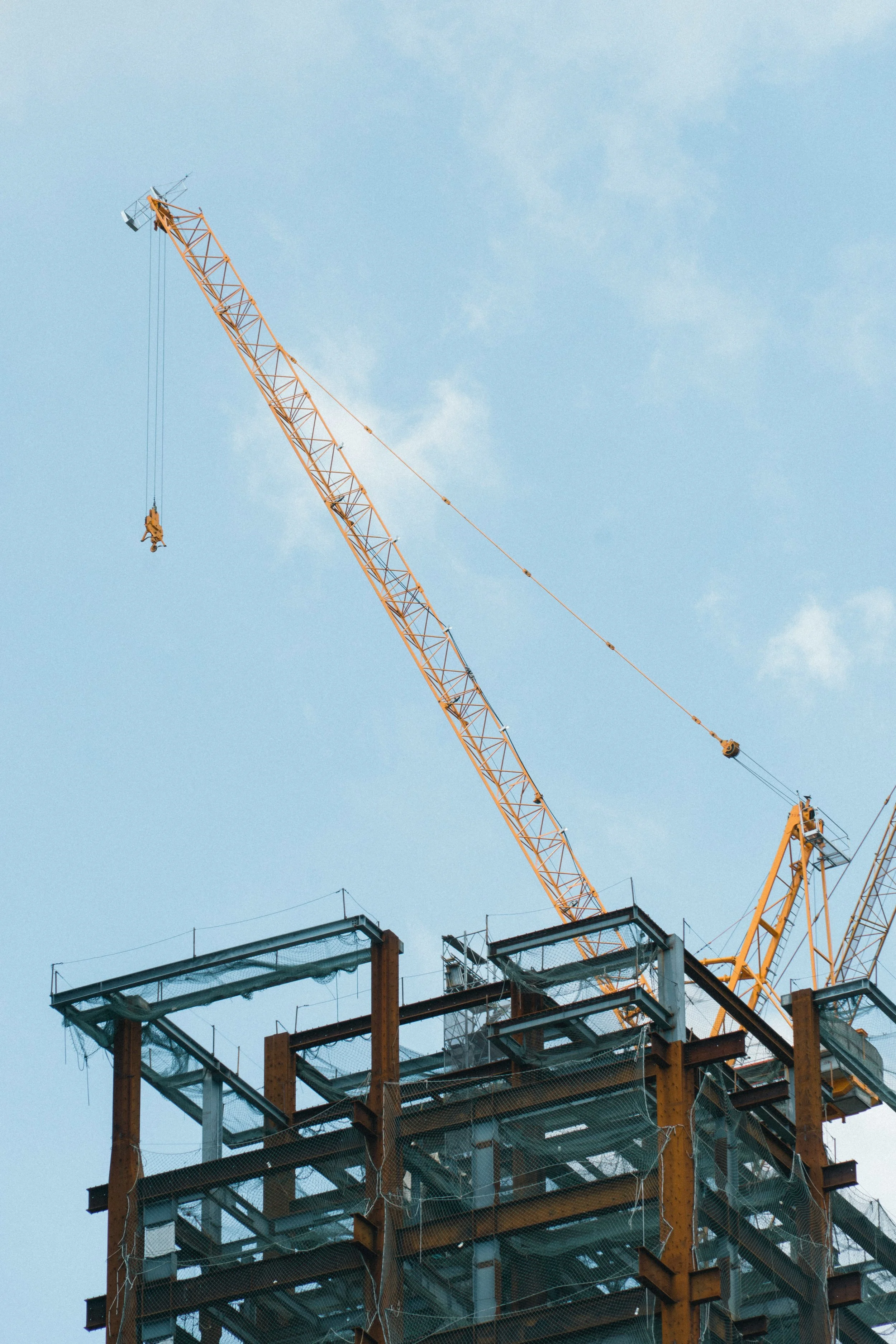
The City is actively encouraging "Missing Middle" housing.
Toronto has introduced policies that support a broader range of housing types within established neighbourhoods. In 2023, the City approved zoning changes to permit multiplex housing across low-rise residential areas, identifying "missing middle" housing as an important tool for creating a more equitable, sustainable and affordable city.
Demand for quality rental housing continues to grow.
Nearly half of Toronto households are renters. As residents seek alternatives that offer greater flexibility, space and quality of life, the need for professionally managed, high-quality rental housing has never been greater.